
CALL YOUR TRUSTED LOCAL EXPERTSSM

Why Does My Furnace Keep Shutting Off?
By Dave Musial: CEO of Four Seasons Heating, Air Conditioning, Plumbing, Electric.
- February 2, 2026
Understanding Furnace Short Cycling and How to Prevent It
When your furnace keeps shutting off, it creates more than just discomfort. This problem, known as short cycling, places unnecessary stress on your heating system and increases energy costs. If your furnace runs for just a few minutes before shutting down, something needs attention right away.
A typical heating cycle should last 10 to 15 minutes. Anything shorter signals an underlying issue that requires professional diagnosis. Short cycling not only fails to heat your home but also increases wear on critical components and can shorten your equipment’s lifespan by years.
Common Causes of Furnace Shutdowns
Restricted Airflow
The number one cause of furnace shutdowns is restricted airflow. When your system cannot breathe properly, the heat exchanger overheats, triggering the safety limit switch.
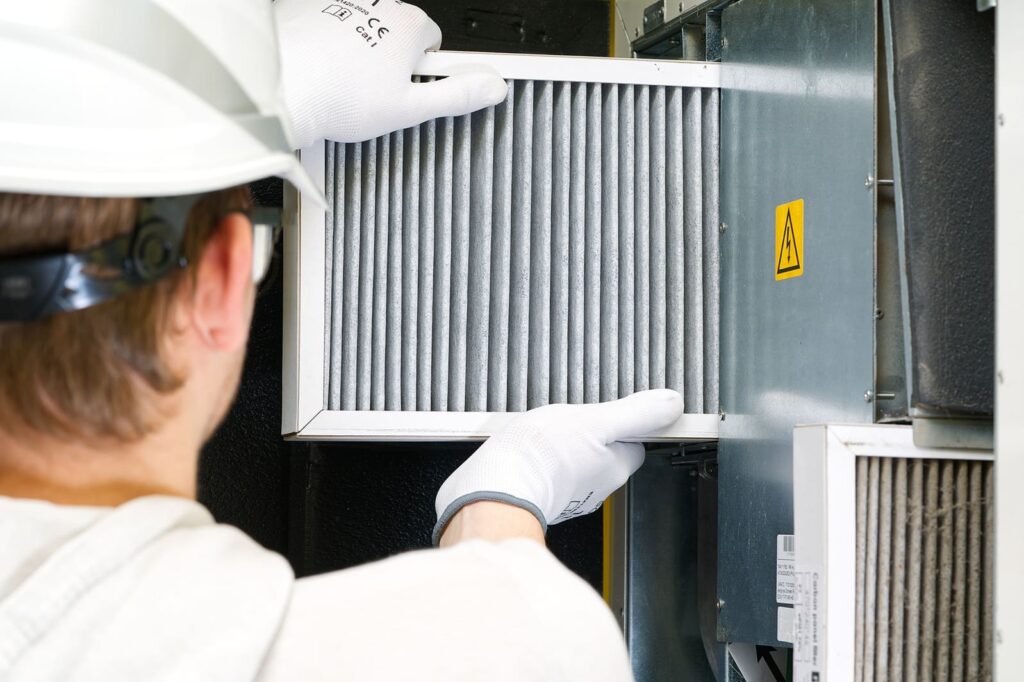
- Dirty Air Filter: A clogged filter blocks airflow and forces your furnace to work harder. Replace filters every 60 to 90 days to prevent overheating. During peak heating season, check your filter monthly. A dirty filter can reduce efficiency by up to 15% while causing your system to overheat.
- Blocked Vents: Closed or obstructed supply vents create pressure imbalances. Keep at least 80% of vents open throughout your home. Furniture, curtains, or storage items placed too close to vents restrict airflow. Even closing vents in unused rooms can create pressure problems.
- Dirty Blower Wheel: Accumulated dust reduces the blower’s efficiency. Professional cleaning ensures optimal air circulation. The blower wheel can accumulate years of dust, reducing its airflow capacity.
Faulty Flame Sensor
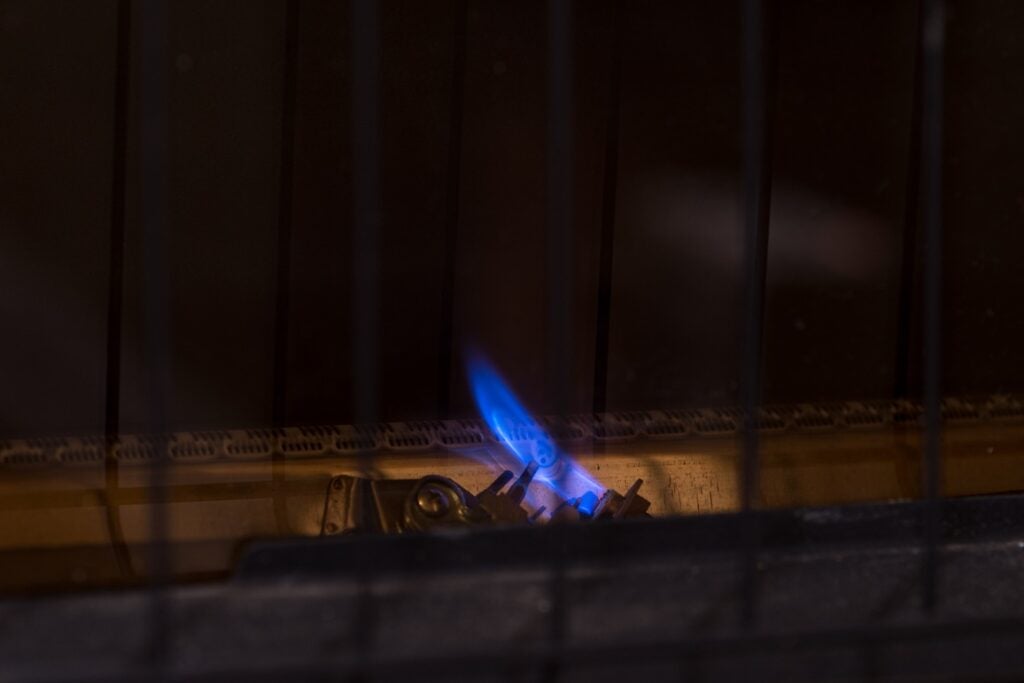
The flame sensor is a small metal rod that confirms your burner is lit. When covered in soot or corrosion, it cannot detect the flame properly. This causes the gas valve to shut off as a safety precaution.
You may notice your furnace ignites for a few seconds before shutting down completely. This classic short-cycling pattern indicates a flame sensor issue that requires professional cleaning or replacement. Even a thin layer of buildup prevents proper function.
Thermostat Problems
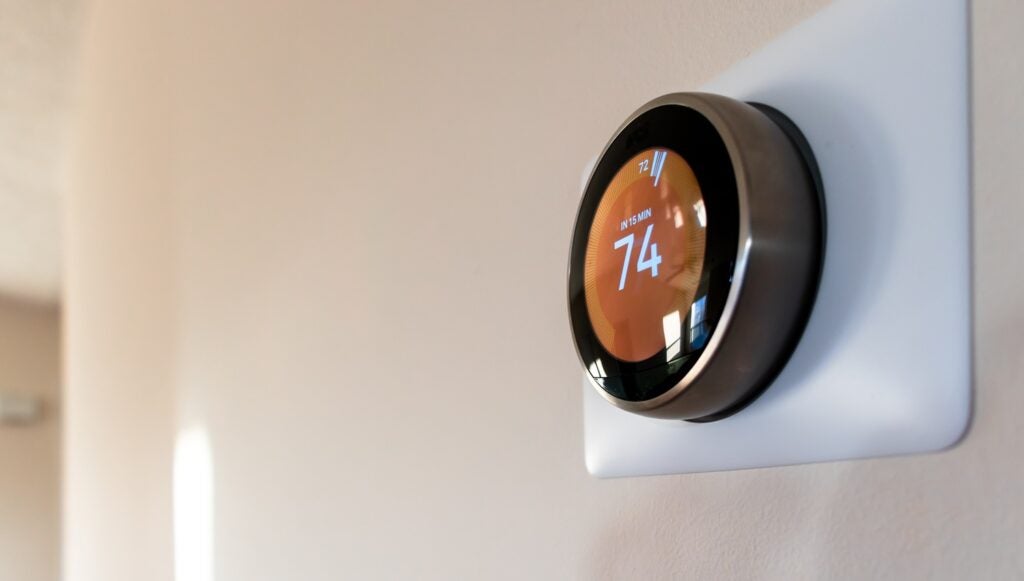
Your thermostat acts as the control center for your heating system. When it malfunctions, your furnace receives incorrect signals about when to run.
Common Thermostat Issues:
- Dead batteries are causing inconsistent readings
- Poor placement near heat sources or drafty areas
- Loose wiring is sending faulty signals
- Incorrect temperature settings or programming
Thermostats should be placed on interior walls about 5 feet above the floor, away from direct sunlight, appliances, and air vents. If your thermostat is near a window or a heat register, it may misread temperatures, causing your furnace to cycle improperly.
High Limit Switch Activation
The high-limit switch is a safety device that monitors the furnace temperature. When the system overheats, this switch shuts it down to prevent damage or fire hazards.
Limit switch problems typically stem from airflow restrictions. However, the switch itself can fail and trip prematurely, even under normal operating conditions. The limit switch is designed to trip between 160°F and 200°F, depending on your furnace model.
Quick Troubleshooting Comparison
| Issue | Symptoms | DIY Check |
|---|---|---|
| Dirty Filter | Weak airflow, overheating | Inspect and replace the filter |
| Flame Sensor | Ignites then shuts off quickly | Call professional |
| Thermostat | Random cycling, wrong temps | Check batteries and settings |
| Blocked Vents | Uneven heating, overheating | Open all vents, remove obstructions |
| Limit Switch | Frequent shutdowns, no restart | Call professional |
Other Potential Causes
Blocked Exhaust Vent
High-efficiency furnaces use PVC pipes to vent exhaust gases. Snow, ice, debris, or animal nests can block these pipes. Your pressure switch detects a blockage and shuts down the system to prevent a dangerous buildup of carbon monoxide. During winter storms, check your outdoor vent pipes regularly.
Clogged Condensate Drain
Modern furnaces produce water as a byproduct of heating. This condensation must drain properly through a dedicated line. When algae or debris clogs the drain, a float switch activates to prevent water damage by shutting down your furnace.
Oversized Furnace
A furnace that is too large for your home heats the space too quickly. This causes the thermostat to signal shutdown after just a few minutes, resulting in constant short cycling. Oversized equipment experiences premature wear and creates uncomfortable temperature swings throughout your home.
Failing Blower Motor
The blower motor pushes heated air through your ductwork. When this motor begins to fail, airflow decreases significantly. Reduced airflow causes overheating, triggering the limit switch to shut down the furnace. Warning signs include unusual noises or weak airflow from vents.
When to Call a Professional
| Urgency Level | Signs | Action Required |
|---|---|---|
| Emergency | Gas odor anywhere in the home | Evacuate immediately, call the gas company |
| Emergency | Smoke or burning plastic smell | Shut off the furnace, call Four Seasons |
| Urgent | Loud banging or grinding noises | Schedule same-day service |
| Urgent | Yellow or flickering burner flame | Possible carbon monoxide risk |
| Important | Furnace cycling every few minutes | Schedule service within 24 hours |
| Important | No heat after basic troubleshooting | Professional diagnosis needed |
What You Can Check First:
- ✓ Replace your air filter if it’s dirty
- ✓ Verify all vents are open and unblocked
- ✓ Check thermostat batteries and settings
- ✓ Confirm circuit breaker is in the ON position
- ✓ Inspect outdoor vents for blockages
If these basic checks do not resolve the issue, professional support is required. Internal components like sensors, motors, and control boards require specialized tools and expertise. Attempting DIY repairs on gas furnaces can create safety hazards and void the manufacturer’s warranty.
Prevention: Your Best Defense
Most furnace shutdowns can be prevented through regular maintenance. Annual professional tune-ups catch minor issues before they become major failures.
During a Four Seasons maintenance visit, our certified technicians:
- Clean and inspect all critical components
- Test safety switches and sensors
- Check gas connections and pressure
- Measure airflow and system efficiency
- Identify potential problems early
- Test carbon monoxide levels for your protection
Regular maintenance not only prevents unexpected breakdowns but also improves energy efficiency and extends your furnace’s lifespan. Studies show that well-maintained furnaces last 15 to 20 years, while neglected systems often fail after just 10 to 12 years.
Four Seasons Is Here When You Need Us
With over 50 years of certified expertise, our team answers calls 24/7/365. We provide honest pricing with no hidden fees and rapid response across the Greater Chicagoland area and Northwest Indiana.
Call 866-4-SEASONS for immediate furnace service, or schedule your appointment now.
Job-based pricing. No extra charges for nights, weekends, or holidays.
Day or Night, 24/7, Count on Chicago’s HVAC Experts at Four Seasons
Schedule an Appointment